A bucket of water shouldn't cost a child their education
We are often asked "is it safe drinking tap water in India". No!
I’ve stood in villages where the nearest water is a shared, murky pond a couple of kilometres away — and watched kids as young as six carry it home in buckets before school, if they get to school at all.
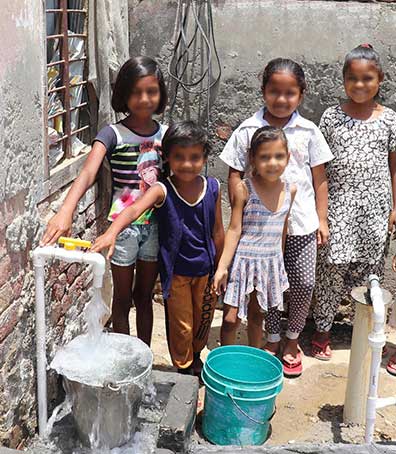
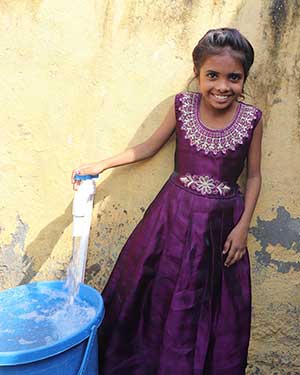
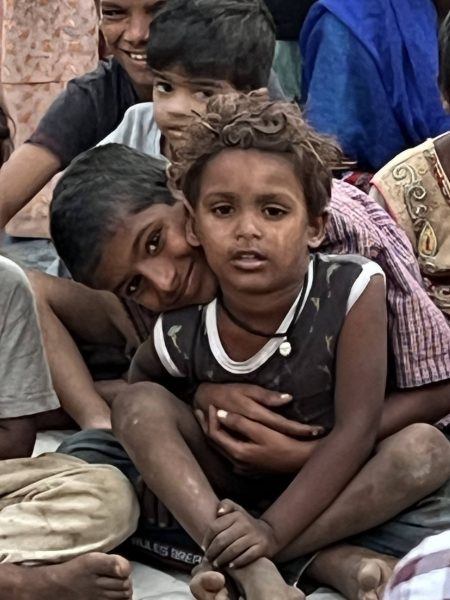
Munna, 11, lives in an Indian village. Every morning before class, she used to walk 3 to 4 kilometres to fetch water with her friends. Some days there wasn’t much time left for school at all.
That’s not unusual. It’s just Tuesday, for millions of families.
The impact of this takes lives. Each day, more than 800 children die from this unsafe water. Death due to diarrhea carried fouled water, hygiene, and the resulting lack of sanitation. They do not have the basic requirements to wash their hands, cook food, bathe, grow crops or drink.!
What changes when the tap turns on
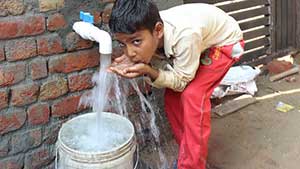
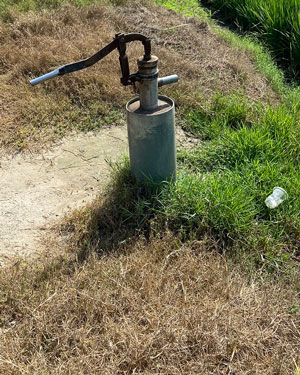
A bore isn’t just a hole in the ground. It’s the difference between a child spending their morning walking for water, or spending it in a classroom. It’s fewer sick days from waterborne illness. It’s women and girls – who UNICEF says carry the overwhelming share of this load – getting hours of their day back.
When we drilled a bore in one village, a mother told us the change wasn’t dramatic on day one. It was dramatic six months later, when her child hadn’t missed a single week of school.
Most of us don’t think twice turning on a tap. For families like Munna’s, it used to be the biggest decision of their day.
Most of us don’t even think when we turn on the tap to fill a glass or wash our dishes. It’s so natural, we do it many times every day.
You can help fund the next one
We’ve got villages on the list right now, waiting on a bore. Not because the need isn’t urgent – it’s that we only drill once we’ve got the funds fully in hand, so every gift that comes in moves someone to the front of that list.
$2,800 funds a full bore – dug to around 122 metres, deep enough to reach water that’s actually safe, protecting up to 3,000 people in that community for years to come.
The World Bank calls hygiene promotion one of the most cost-effective health interventions there is. In practical terms: every dollar put into water and sanitation returns around four dollars in increased productivity for that community down the track.
But the number that matters most to me isn’t the multiplier – it’s Munna walking into class on time.
The honest scale of it
Around 9% of India’s rural population still lacks access to safe water — and that’s exactly where our work sits, in the villages most easily overlooked. It’s a big number. But a bore is a small, fundable, finishable thing. That’s the bit we can actually do something about, one village at a time.
These are numbers... but honestly it's about Munna
1,339,180,000national population of India
21.2% live below poverty line which is defined as earning less that US$1.91 per day
9% of the rural population lacks access to water, our work is exclusively in the rural sector of India where the needs are greatest
46.76% of the rural population lacks sanitation.
India is home to around 33% of the world’s poor. And they face some of the hardest social gender and class discrimination.
* World Health Organisation * A WHO study in 2012 calculated that for every US$ 1.00 invested in sanitation, there was a return of US$ 5.50 in lower health costs, more productivity, and fewer premature deaths.*